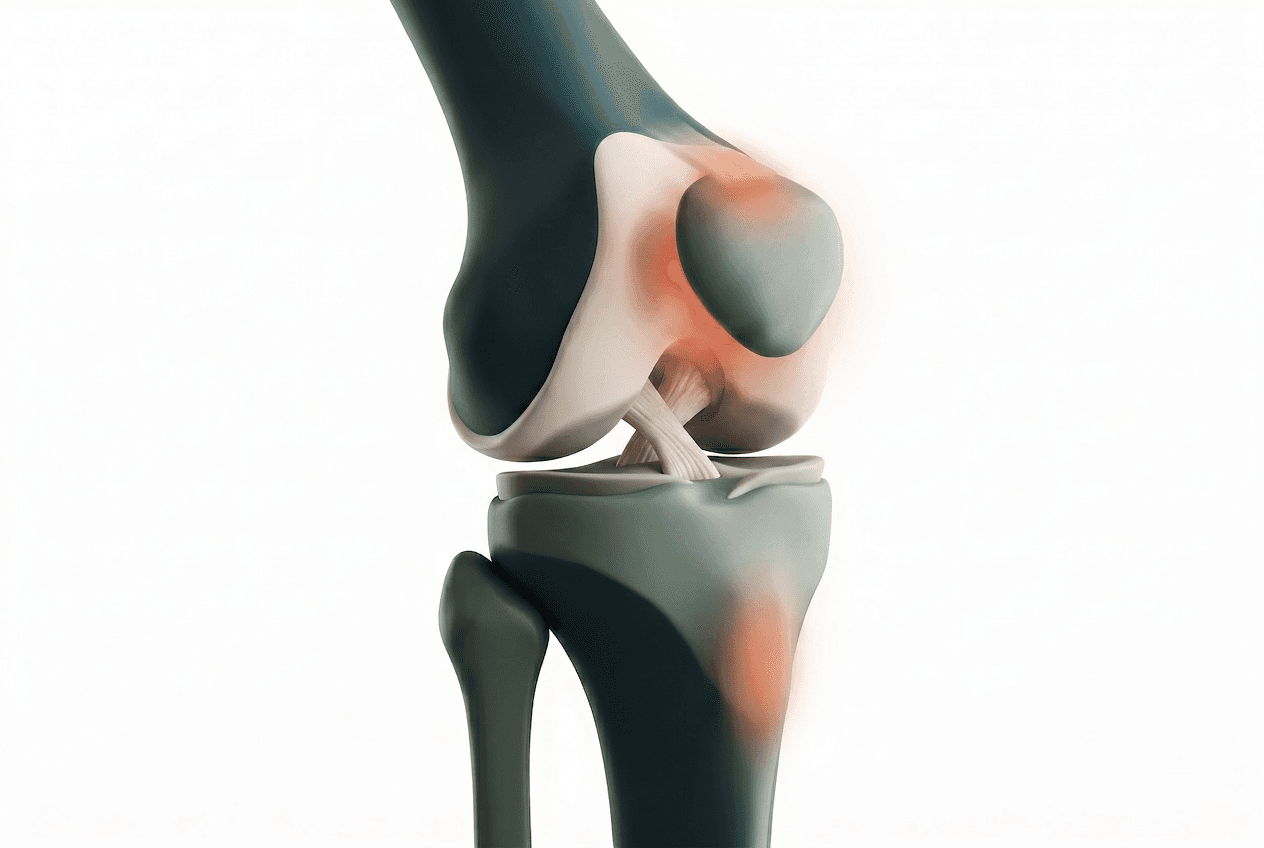
What is anterior knee pain in adolescents?
Anterior knee pain — pain at the front of the knee, around or behind the kneecap — is one of the most common musculoskeletal complaints in growing teenagers. It can develop gradually without a clear injury, and often appears or worsens during periods of rapid growth.
There isn't a single cause. Contributors include the changing mechanics of a growing skeleton, muscle imbalances, increases in sport or training volume, and the way the kneecap is tracking. Often it's a combination of factors that together produce the pain.
The reassuring thing is that adolescent anterior knee pain almost always settles with the right approach. It's not a sign of something dangerous — but it does sometimes need a structured plan to get on top of it.
What does it feel like?
The pain is typically felt around the kneecap. Common patterns include:
Aching pain after sport or training
Pain on stairs, hills or after long sitting
A grinding or clicking behind the kneecap
Stiffness after rest
Symptoms that fluctuate from week to week
Both knees are sometimes affected. Symptoms may have been there for weeks or months before assessment, often dismissed initially as growing pains.
How is it diagnosed?
Diagnosis is clinical. The pattern of symptoms, the examination findings, and the absence of features pointing to other knee problems usually make the picture clear.
Imaging isn't routinely required. X-rays or MRI may be considered when there are atypical features or when symptoms aren't responding as expected.
The assessment also looks at the wider picture — alignment, hip and core strength, training history, growth phase — because all of these influence the right plan.
What are the treatment options?
Anterior knee pain in adolescents is almost always managed without surgery. A targeted physiotherapy programme, sensible activity modification and patience are the cornerstones. The right plan reflects the specifics of the individual — what's contributing in each case is rarely identical.
Most teenagers respond well, though it can take weeks to months to see meaningful change. Nev will work through what's right for your child at your consultation.
When should you get it checked?
Seek a specialist assessment if:
Your teenager has persistent front-of-knee pain
Pain is interfering with sport or activity
Self-management hasn't produced lasting improvement
You're worried about the cause and want a clear answer
You'd like a structured plan to get back to full sport
Anterior knee pain is common and treatable — but families often appreciate a clear assessment that confirms there's nothing serious going on and gives a sensible plan to follow.