What is ITB syndrome?
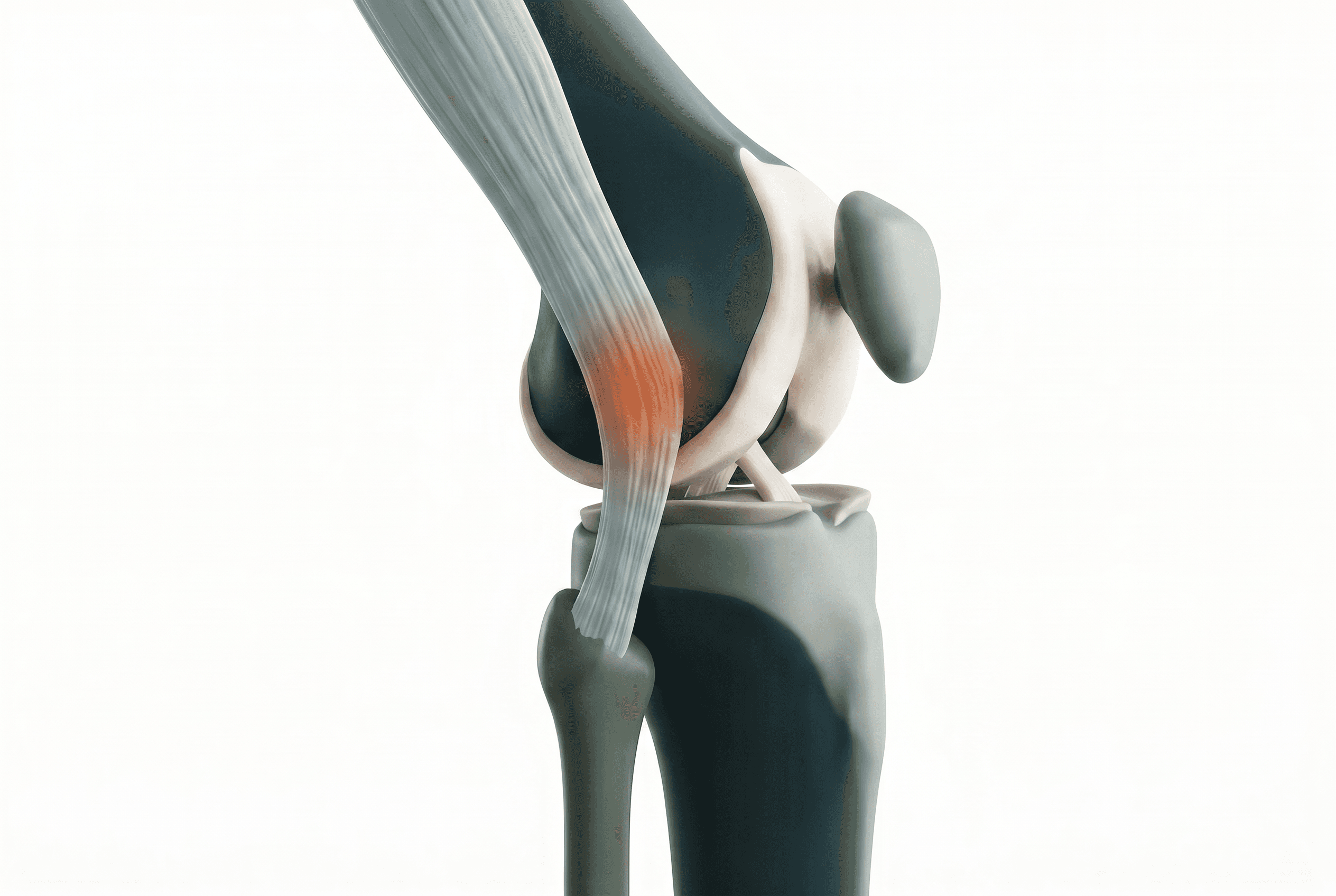
The iliotibial band — the ITB — is a thick band of fibrous tissue that runs from the hip down the outer thigh to the outer side of the knee. ITB syndrome is pain at the outer knee that develops from repeated movement of this band over the bony prominence at the side of the joint.
It's most common in runners — particularly those who've recently increased mileage, changed terrain or running surfaces — and in cyclists doing high-volume training. It's classically a condition of repetitive use rather than acute injury.
Despite its frustrating reputation, ITB syndrome is generally a manageable condition with the right approach. The challenge is often the discipline of the rehabilitation rather than the difficulty of the diagnosis.
What does it feel like?
The pain is typically on the outer side of the knee, often very specifically located. Common features include:
Sharp or burning pain on the outside of the knee
Pain that comes on after a certain distance of running, then steadily worsens
Pain going down stairs or downhill
Tenderness when pressing on the outer knee
Symptoms that ease with rest but return when activity resumes
The classic story is a runner who can manage 5km without trouble but consistently develops pain at the same point in longer runs.
How is it diagnosed?
Diagnosis is clinical. The location of pain, the activity-dependent pattern and the response to specific examination tests usually make the diagnosis clear.
Imaging isn't routinely required. It may be considered if symptoms aren't responding as expected or if there's a question of an alternative diagnosis at the outer knee.
The assessment also considers training factors — volume, surface, footwear, recent changes — and broader contributors such as hip and core strength.
What are the treatment options?
ITB syndrome almost always settles with the right combination of physiotherapy, load management and gradual return to activity. The specifics of the rehabilitation depend on what's contributing to your particular case — strength, flexibility, training patterns or all three.
The reassuring thing is that surgery is rarely needed and reserved for the small number of cases that don't respond to thorough non-surgical management. Whether anything beyond conservative measures is right is something Nev will work through with you at your consultation.
When should you get it checked?
Seek a specialist assessment if:
Outer knee pain has persisted for more than a few weeks
Pain is consistently stopping you from running or training
You've tried rest and self-management without lasting improvement
Symptoms keep returning despite reducing activity
You want a clear plan to get back to full training safely
ITB syndrome responds best to early, well-structured management — the longer it's left to drift, the longer the road back tends to be.