Patellofemoral Pain Syndrome
Pain at the front of the knee where the kneecap meets the thigh bone, common in runners and active people. Almost always managed with physiotherapy.
Audience:
Adult
Region:
Knee
Type:
Non-Surgical
Recovery:
6-12 weeks
Pain at the front of the knee where the kneecap meets the thigh bone, common in runners and active people. Almost always managed with physiotherapy.
Audience:
Adult
Region:
Knee
Type:
Non-Surgical
Recovery:
6-12 weeks
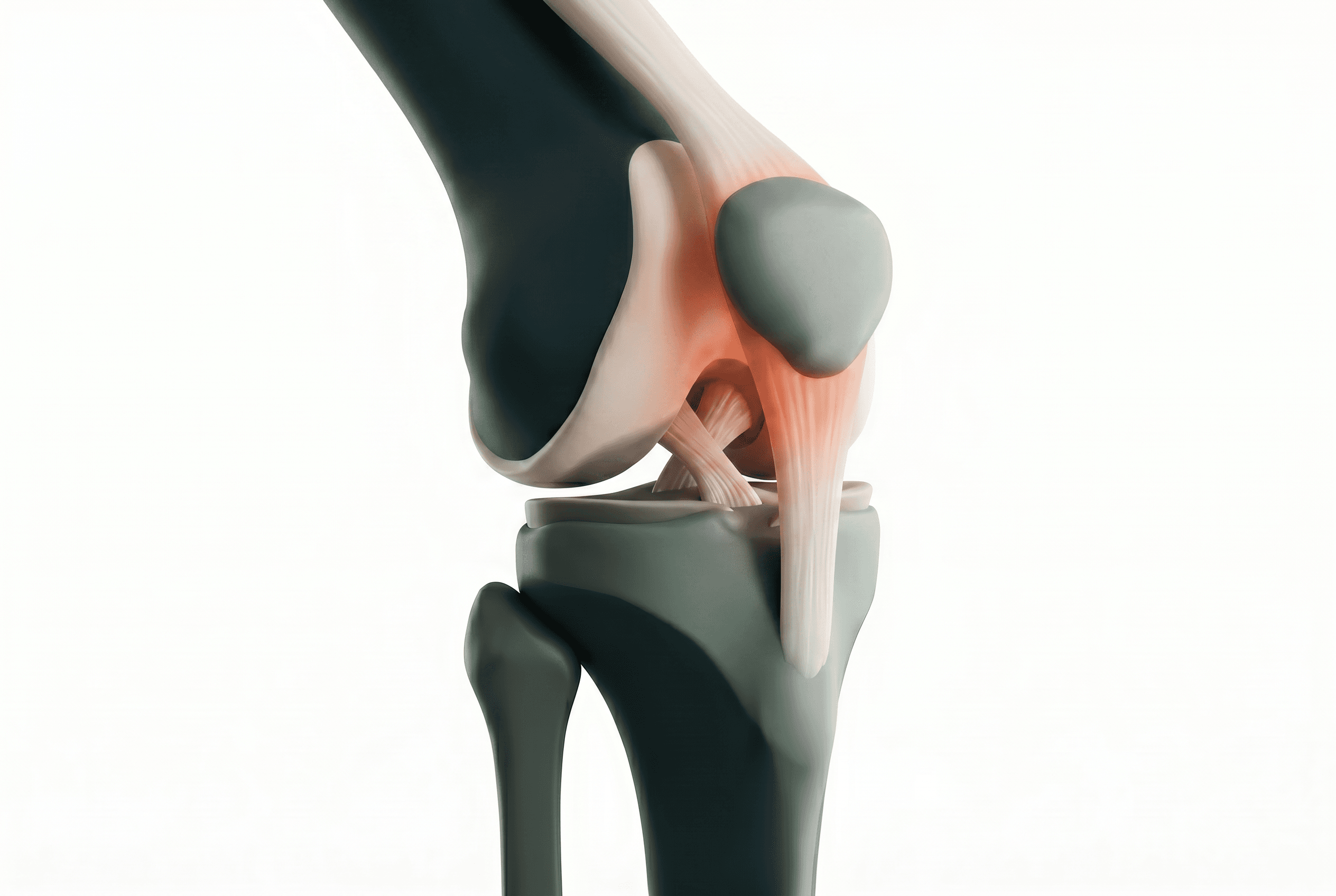
Patellofemoral pain is pain at the front of the knee where the kneecap (patella) tracks against the thigh bone (femur). It's one of the most common causes of knee pain in active adults, particularly runners, cyclists and people whose work involves a lot of standing or stairs.
The exact cause varies. Sometimes it's related to how the kneecap tracks within its groove, sometimes to muscle imbalances, sometimes to a recent change in activity level. Often it's a combination of factors that together tip a knee over the threshold into pain.
The reassuring thing is that patellofemoral pain almost always settles with the right approach — though the right approach can take some working out.
The pain is typically felt around or behind the kneecap. Common patterns include:
Pain when going down stairs or slopes
Pain after sitting for long periods (sometimes called 'cinema sign')
Aching during or after running, cycling or hiking
A clicking or grinding sensation behind the kneecap
Stiffness after rest
Symptoms tend to fluctuate. A good week followed by a bad week is common, often without an obvious reason.
Diagnosis is largely clinical. The pattern of symptoms, the pain on examination, and the absence of features pointing to other knee problems usually make the picture clear.
Imaging isn't routinely required for typical patellofemoral pain. X-rays or MRI may be arranged if there are atypical features or if the pain isn't responding as expected to conservative management.
The assessment also looks at the broader picture — alignment, hip and core strength, training history — because all of these influence the right plan.
Patellofemoral pain is almost always managed without surgery. A targeted physiotherapy programme — focusing on hip and quadriceps strength, movement patterns and gradual loading — is the cornerstone of treatment.
Activity modification is often part of the plan, but the goal is to keep you moving rather than to stop you doing what you enjoy. Recovery takes weeks to months and is usually a steady, non-linear improvement. Nev will work through what's right for your specific situation at your consultation.
Seek a specialist assessment if:
Front-of-knee pain has persisted for more than a few weeks
Pain is interfering with running, sport or daily activities
You've tried physiotherapy without lasting improvement
Symptoms are getting steadily worse
You want a clear plan and confidence in what's going on
Patellofemoral pain has a reputation for being frustrating to manage — but with the right plan, the vast majority of people get back to what they love.