Curly Toes
A common variation in toe shape where toes curl under or sideways. Most need no treatment; persistent problematic cases may benefit from surgery.
AudienceChild
RegionFoot & Ankle
TypeSometimes Surgical
RecoveryVariable
A common variation in toe shape where toes curl under or sideways. Most need no treatment; persistent problematic cases may benefit from surgery.
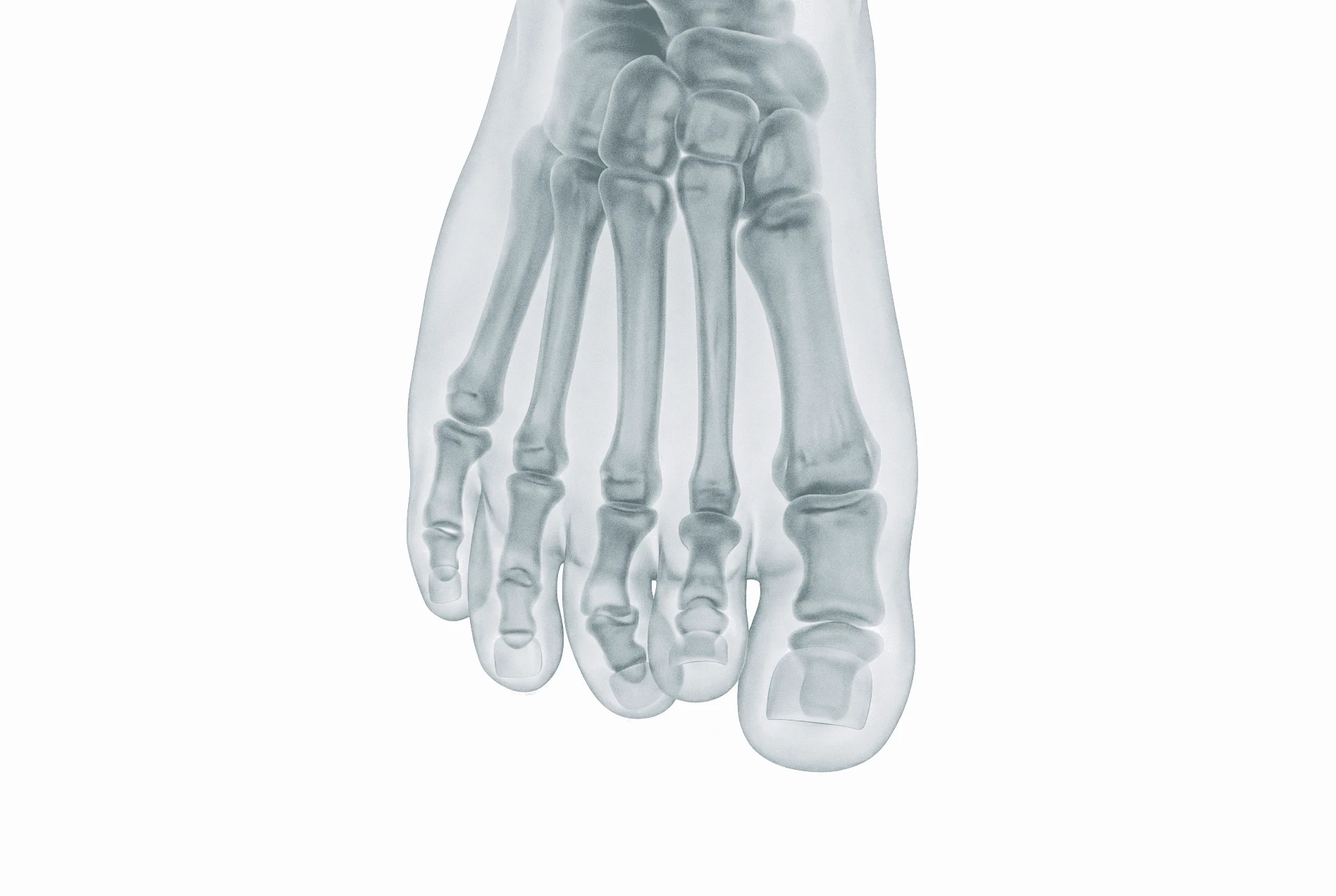
Curly toes describe a pattern where one or more of the smaller toes, most commonly the third, fourth or fifth, curl under or sideways rather than pointing straight ahead. It's a common finding in young children and often runs in families.
Most curly toes cause no problems whatsoever and many improve as the child grows. Even those that persist into adulthood often don't cause any meaningful issues.
The minority that do cause problems: typically because of pressure on the skin from footwear or because of pain when walking, may benefit from active treatment.
Most children with curly toes have no symptoms. When concerns arise, they typically include:
Visible curling of one or more toes
Sometimes overlap of one toe over another
Pressure or rubbing in shoes
Occasional discomfort with prolonged walking
Calluses or hardened skin in pressure points
Cosmetic concerns are sometimes part of the picture, particularly in older children and adolescents.
Diagnosis is clinical and based on examination of the toes: their shape, the flexibility of the joints and how the toes behave with weight-bearing.
Imaging isn't usually needed for typical curly toes. It may be considered when there's pain, deformity that's progressing, or concerns about underlying joint or bone problems.
The assessment also looks at footwear and how it's interacting with the toe shape, since this often influences both symptoms and management.
Most curly toes need no active treatment, observation, sensible footwear and reassurance are usually enough. Many improve naturally with growth.
When toes are causing persistent problems, pain, skin breakdown, difficulty with shoes, surgical correction is sometimes considered. The procedure depends on the specifics of the toe and the issues it's causing. Nev will work through what's right for your child at your consultation.
Seek a specialist assessment if:
Curly toes are causing your child pain
There are skin problems from pressure or rubbing
Footwear is becoming difficult
The deformity is getting worse rather than better
You'd like a clear plan and to understand what to expect
Most curly toes need nothing more than reassurance, but a clear assessment helps identify the cases where more active management makes sense.
