Osteochondroma (Bony Lumps)
A benign bony outgrowth, often found near growth plates. Most are harmless, but some need surgical removal if they cause symptoms.
AudienceChild
RegionKnee
TypeSometimes Surgical
RecoveryVariable
A benign bony outgrowth, often found near growth plates. Most are harmless, but some need surgical removal if they cause symptoms.
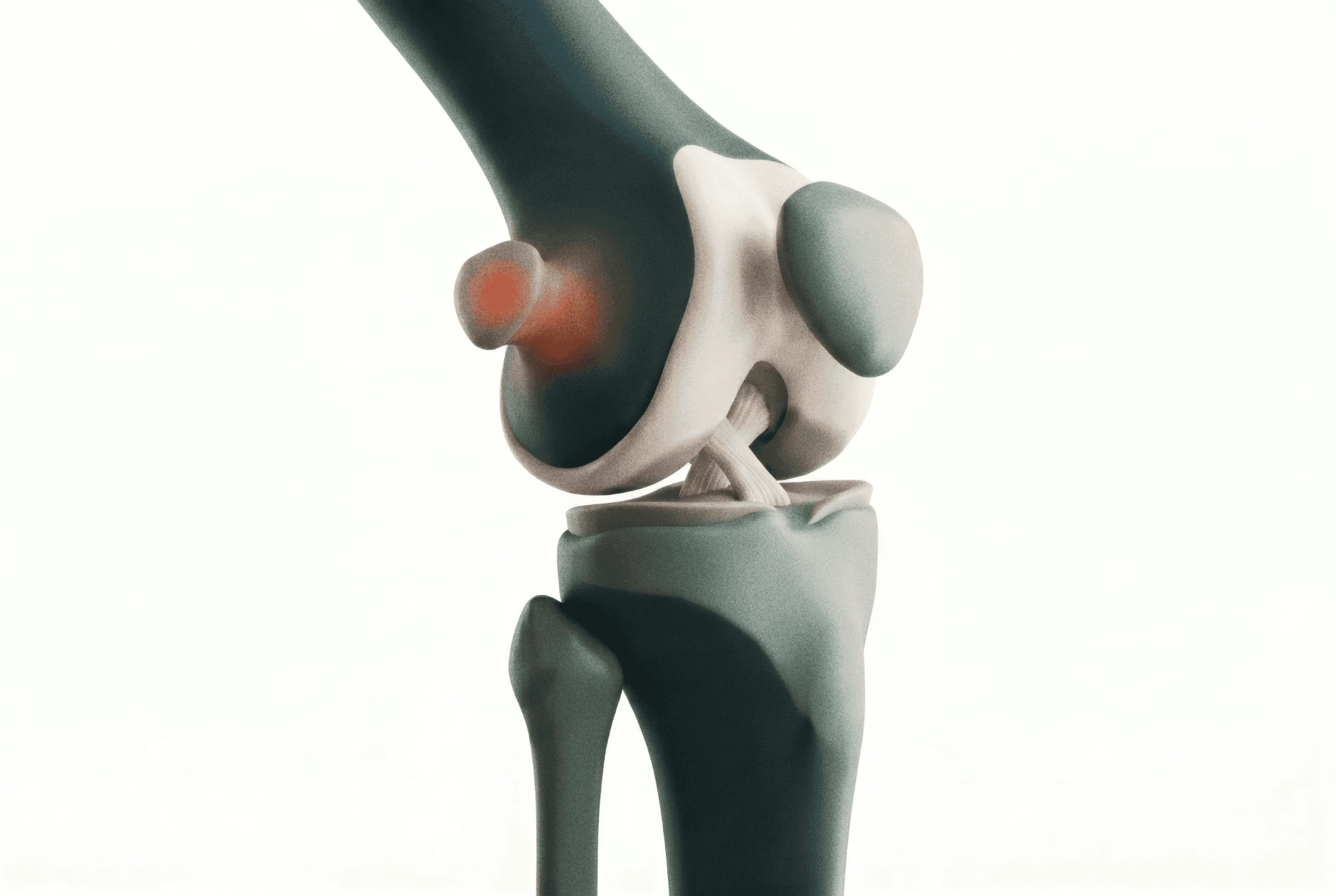
An osteochondroma is a benign bony outgrowth that develops near a growth plate. It's the most common benign bone tumour in children, though calling it a tumour can sound alarming, it's not a cancer and doesn't behave like one.
These lumps typically grow alongside the child during their growing years and stop growing once skeletal maturity is reached. They're most often found around the knee, but can occur near other growth plates too.
Osteochondromas can be solitary (a single lump) or multiple, the latter often part of an inherited condition called multiple hereditary exostoses. Each pattern has its own considerations.
Many osteochondromas cause no symptoms and are noticed incidentally. When they do cause problems, common features include:
A visible or palpable bony lump
Discomfort if the lump rubs against tendons, muscles or skin
Restricted movement of nearby joints in some cases
Pain if the lump is hit or knocked
Occasionally, irritation of nearby nerves or blood vessels
Most osteochondromas are stable and unproblematic. The ones that cause symptoms are typically the ones in awkward locations or unusual sizes.
X-rays usually show the typical bony outgrowth and confirm the diagnosis. The shape, location and characteristics on imaging are usually highly characteristic.
MRI or CT is sometimes useful for assessing the relationship to surrounding structures, particularly when surgery is being considered or when the appearance is atypical.
Multiple osteochondromas warrant additional consideration, including whether there's an underlying inherited condition that needs further assessment.
Asymptomatic osteochondromas typically need no treatment, observation is appropriate. Symptomatic lumps, particularly those causing pain, mechanical issues or affecting nearby structures, may benefit from surgical removal.
Timing of surgery in growing children needs careful consideration to allow for ongoing growth. There are also small risks specific to the condition that families need to be aware of. Nev will work through this with you and your child at your consultation.
Seek a specialist assessment if:
There's a hard lump on or near a bone
The lump is causing pain or restricting movement
The lump is growing in concerning ways
Multiple lumps have been noted
You want a clear diagnosis and a plan for monitoring or treatment
Osteochondromas are usually benign and often need no intervention, but families understandably want clarity. A proper assessment provides that clarity and a plan that fits the situation.
