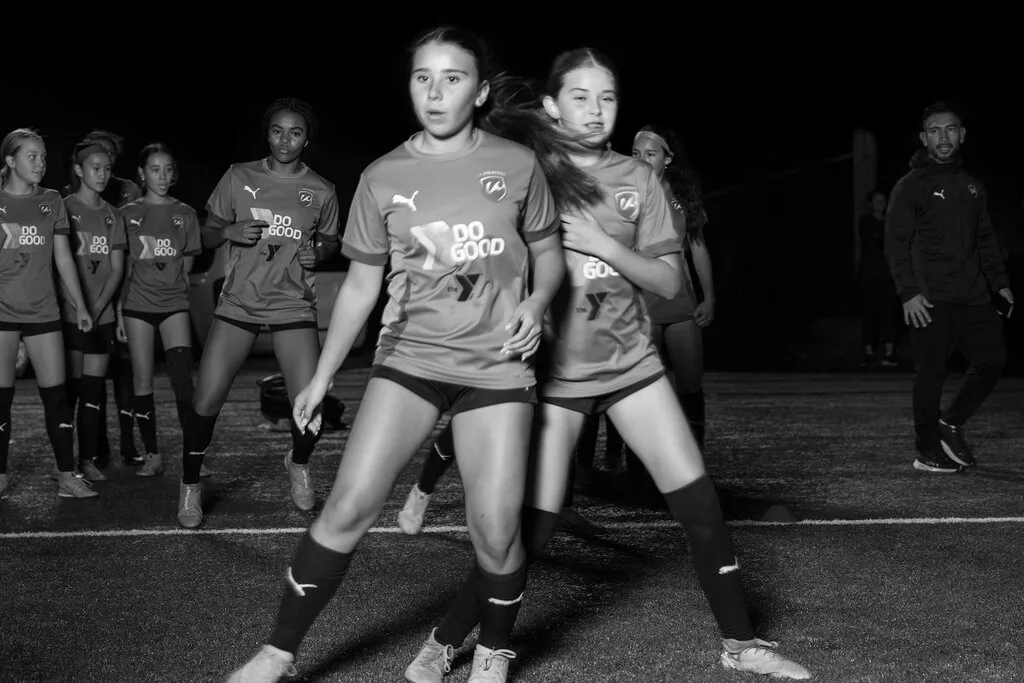
A recent feature in the New York Times Magazine highlights the growing concern around ACL injuries in girls and young women participating in sport.
Read the article here:
https://www.nytimes.com/2026/02/26/magazine/acl-tear-women-girl-sports.html
The article explores why female athletes experience significantly higher rates of anterior cruciate ligament (ACL) injuries than their male counterparts and the long-term impact these injuries can have on young sporting careers.
It was encouraging to see this issue explored in a mainstream publication, and I was pleased to be quoted in the article as part of the wider discussion around ACL injury prevention in youth sport.
For those working in sports medicine, this is not a new story. The increased risk of ACL injury in female athletes has been recognised in the research literature for many years, particularly in sports involving cutting, pivoting and rapid changes of direction such as football, rugby and basketball.
Prevention Is the Key
Evidence shows that structured neuromuscular warm-up programmes can significantly reduce the risk of ACL injury. Despite this, these programmes are still not consistently implemented across youth sport.
A major opportunity now exists for coaches, schools, sports organisations and healthcare professionals to work together to embed injury-prevention strategies into everyday training environments.
Put simply, ACL injuries in girls’ sport are common but increasingly recognised as preventable with the right training, movement education and warm-up programmes.
A Personal Perspective
As a knee surgeon who treats ACL injuries in both adult and adolescent athletes, this is an issue I see first-hand in clinic.
Much of my work outside the operating theatre focuses on raising awareness of ACL injury prevention in young athletes, particularly through my involvement with the UK-based charity Power Up To Play.
Power Up To Play promotes practical injury-prevention strategies designed to keep children active and healthy in sport.
Learn more about the charity:
It is encouraging to see this conversation reaching a wider international audience.
If increased awareness leads to better prevention strategies being adopted at grassroots level, we have a real opportunity to reduce the number of young athletes facing a serious knee injury