
Is Golf Bad for Your Knees?
As a very keen golfer myself, I’m often asked out on the course, “Is golf bad for your knees?” It’s one of the most common questions I get, usually somewhere between the 8th tee and the halfway hut!
The good news is that golf is actually one of the best forms of exercise you can do for your knees, provided you play sensibly. It keeps you active, strengthens the muscles that support your joints, and helps with weight management, all three key principles of non-operative knee management.
Let’s break that down.



1. Staying Active – Motion Is Medicine
Golf keeps you walking, bending, and turning in a controlled, low-impact way — exactly what your knees as synovial joints need. A synovial joint is one with a small amount of lubricating fluid so moving the joint aids that function. Walking 18 holes can easily add up to 10,000 steps, which is a brilliant way to stay fit without pounding the joints.
That said, I’ve seen plenty of golfers undo the benefits by carrying heavy bags. While I do enjoy carrying a lightweight bag perhaps on holiday with half a set of clubs and there’s a certain pride in slinging a stand bag over your shoulder, I’d strongly recommend using a pull trolley or an electric trolley for your regular rounds. It takes a large amount of pressure off your knees, shoulders and lower back and will kept you fresher in the closing holes.
2. Strengthen the Muscles That Support the Swing
Your golf swing uses much more than your arms, it’s powered from the ground up. So your glutes, hamstrings, quadriceps, and core muscles all stabilise the knee and control your rotation through impact.
If you want to protect your knees and add a bit of power to your swing, then investing in a few simple strength exercises between rounds is worth its weight in birdies and eagles !
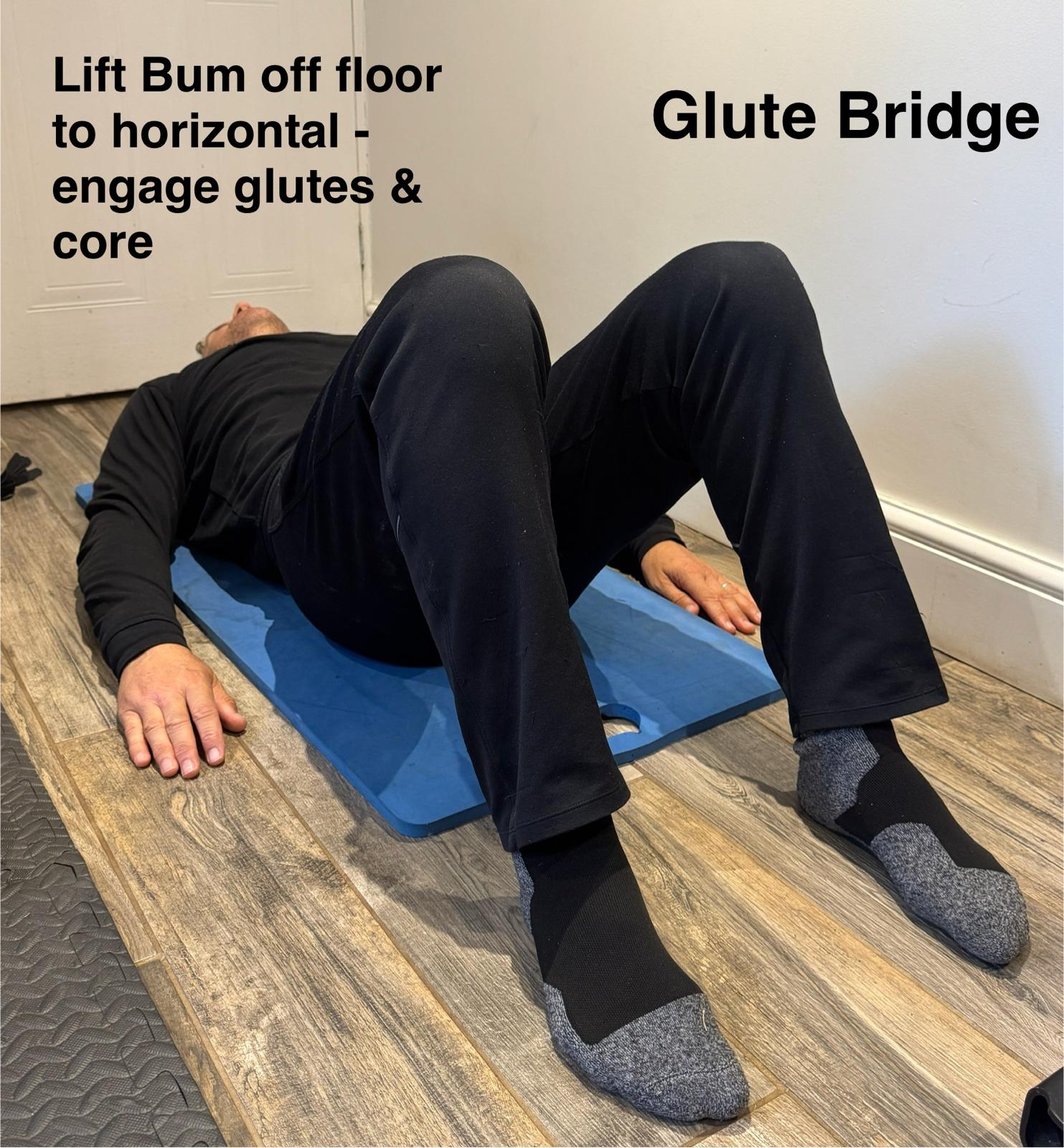
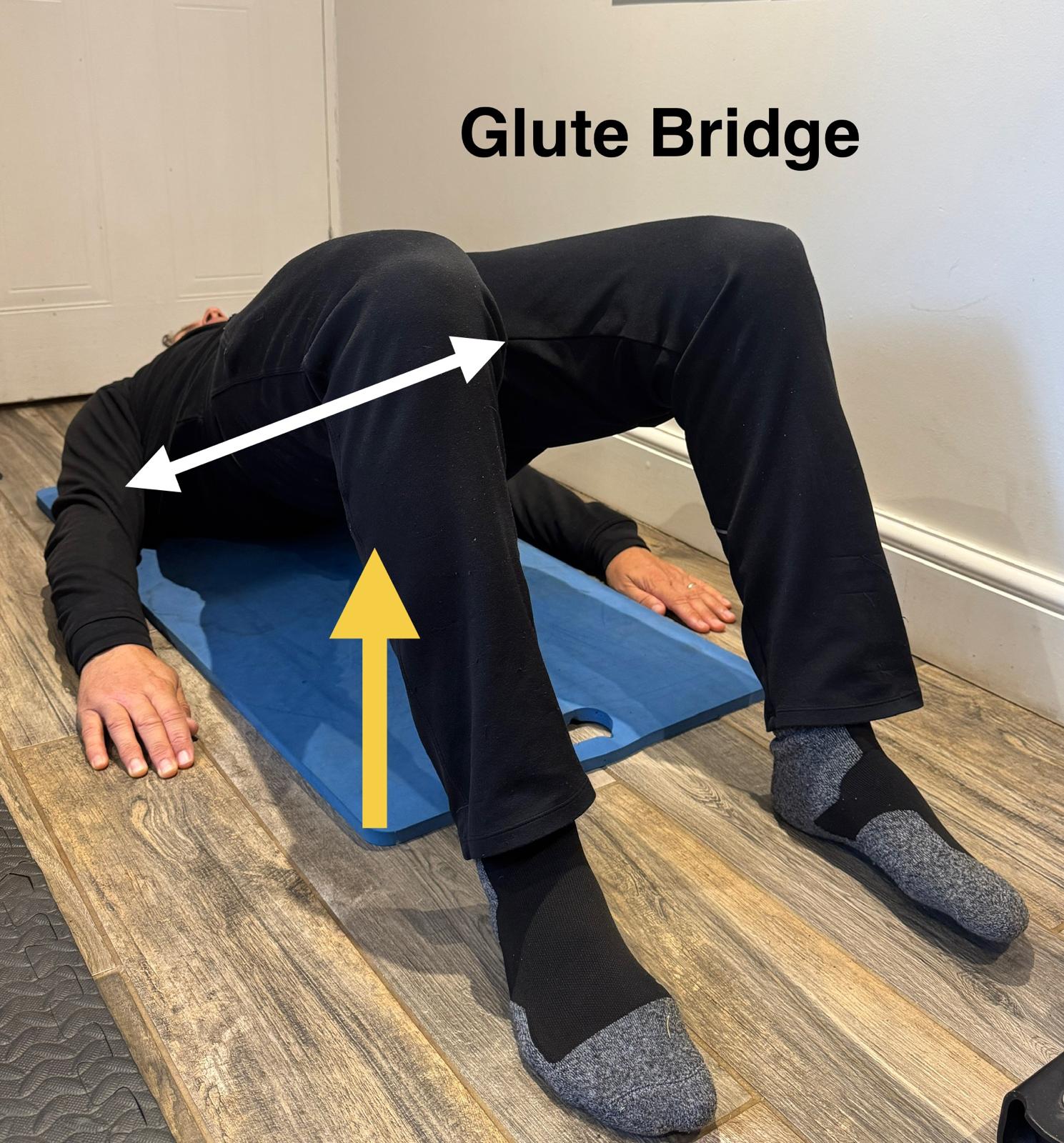
• simple bridges for glute activation
• Step-ups for stability
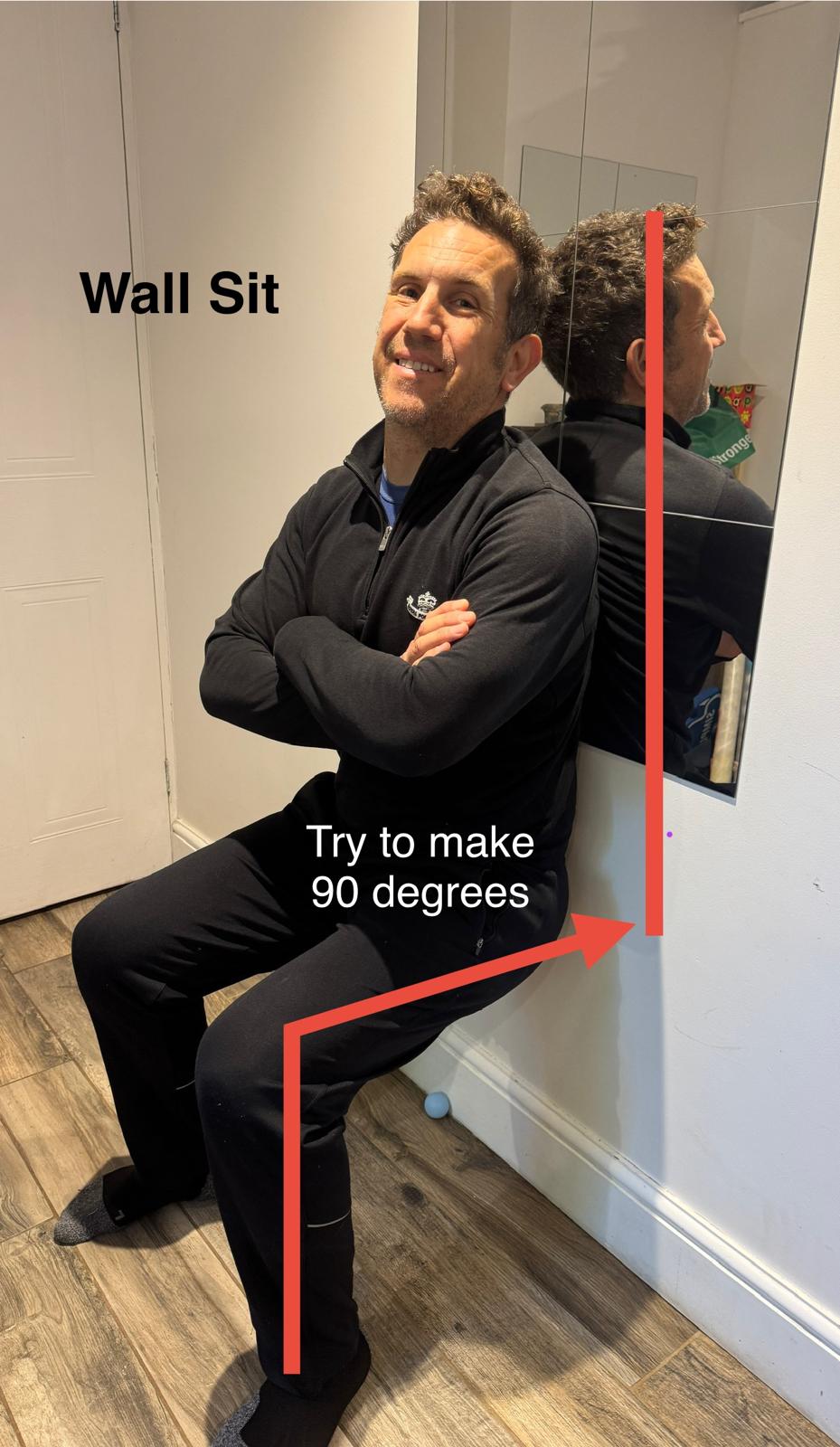
• Wall sits for quads control
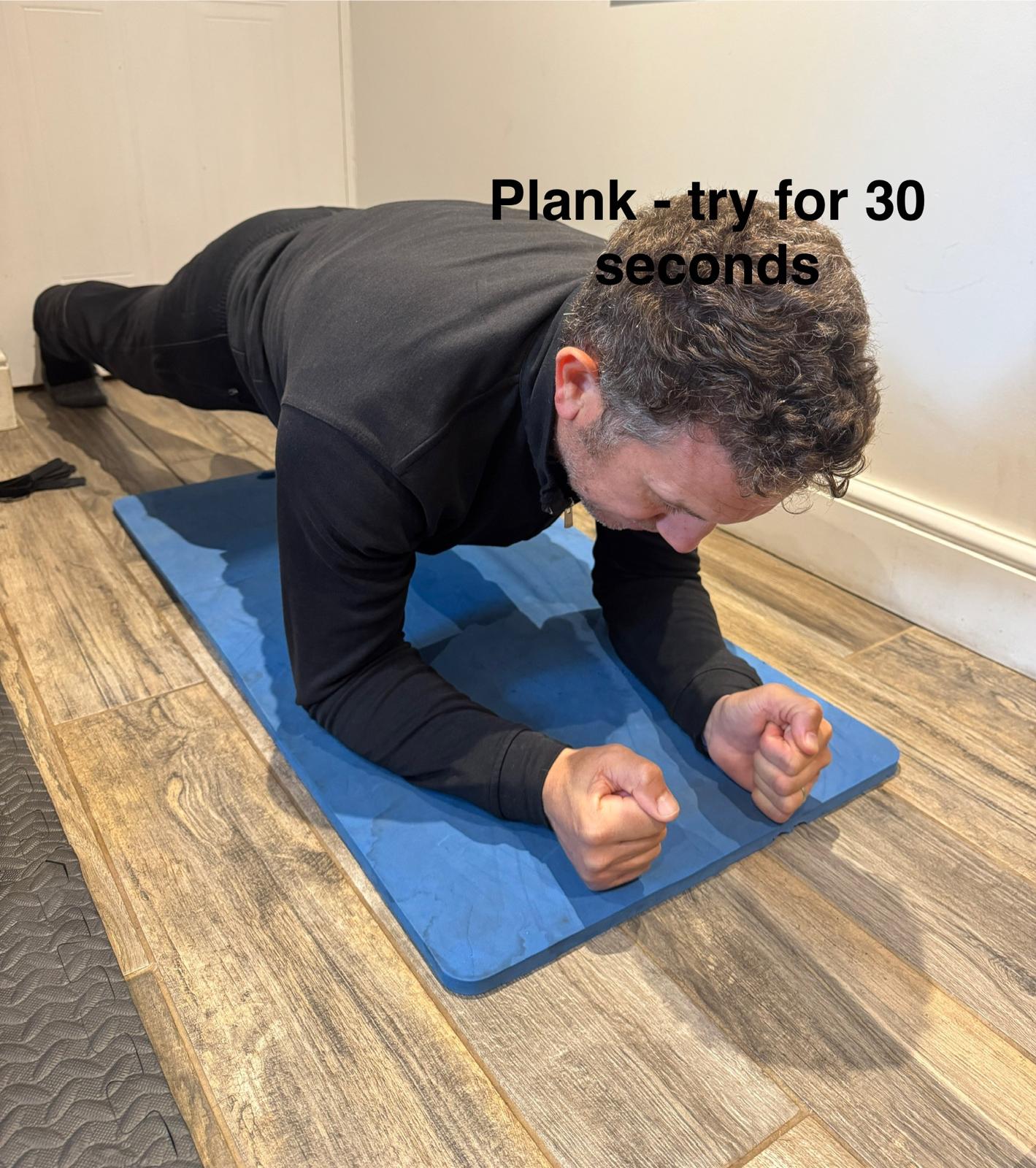
• Planks for core endurance
Even 10 minutes a couple of times a week makes a difference. Strong muscles act like natural shock absorbers for the joint.
3. Weight Management – Reducing Load, Reducing Pain
Every extra kilogram of body weight adds three to four kilos of force through your knees with each step. Golf’s steady pace and light aerobic nature make it an excellent way to maintain or lose weight, easing strain on the joint surfaces.
Add a balanced diet and good hydration, and you’ve got one of the most sustainable knee-friendly exercise routines going.
4. The Mental Game – Golf for the Mind as Well as the Body
Anyone who plays regularly knows golf is as much about headspace as it is about handicap. Being outdoors, walking in green spaces, and sharing a few laughs with your playing partners are proven to boost mental health and reduce stress hormones.
In my clinical practice, I often see how much this matters staying positive and active helps people cope better with chronic joint pain and recover faster after surgery.
5. A Few Practical Tips from a Golfer Who Happens to Know Knees
• Warm up your hips, quads, and calves before you tee off, it helps your swing and your knees.
• Use golf shoes with good cushioning and grip, they make a real difference over 18 holes.
• Don’t ignore swelling or significant pain that lasts more than a few days as early assessment and rehab can prevent long-term problems.
In Summary
So, when people ask me if golf is good or bad for your knees, my answer is simple:
“Golf is fantastic for your knees — as long as you play smart.”
Keep moving, build a bit of strength, manage your weight, and let the trolley do the heavy lifting. You’ll be giving your knees exactly what they need to stay happy for many years (and rounds) to come.