There is often parental confusion and often unnecessary worry about whether weight training is safe for children and teenagers. You may have heard well-meaning advice such as “don’t lift weights, it will damage their growth plates” or “wait until they’ve finished puberty.”
The good news is:
Modern research is crystal clear that when done properly, resistance training is safe, healthy, and hugely beneficial for children and teenagers.
In fact, many of the strongest arguments against weight training in youth are based on outdated ideas from the 1970s and 80s. Since then, high-quality studies and international guidelines have transformed our understanding.
Here’s what every parent and young athlete needs to know.
⸻
1. Does Weight Training Stunt Growth? (The Myth vs. The Evidence)
One of the most persistent myths is that lifting weights damages the growth plates and limits height.
The 2014 International Consensus on Youth Resistance Training — endorsed by paediatricians, sports medicine specialists, strength coaches and orthopaedic surgeons — states the opposite:
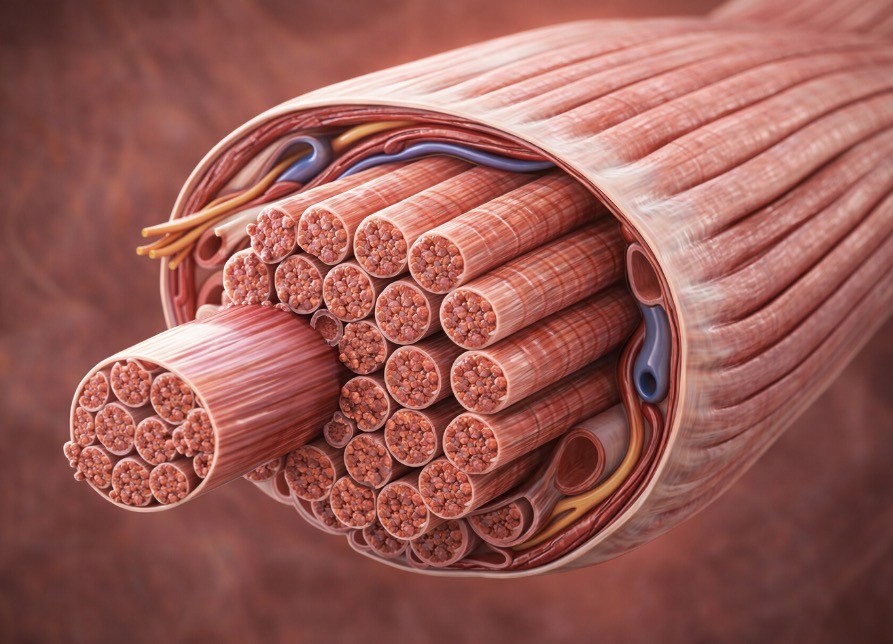
There is no evidence that properly supervised resistance training harms growth plates or affects final height.
Growth plate injuries in young people are:
• Extremely rare
• Almost always caused by accidents, falls, or heavy uncontrolled loads
• Not linked to structured, progressive training
In fact, weight-bearing exercise may improve bone density and help the growth plates mature safely.
Bottom line:
When properly supervised and age-appropriate, resistance training does not stunt growth and can actually improve long-term bone health.
⸻
2. The Real Physical Benefits of Weight Training for Teenagers
Teenagers who take part in safe resistance training typically see improvements in:
Strength & Power
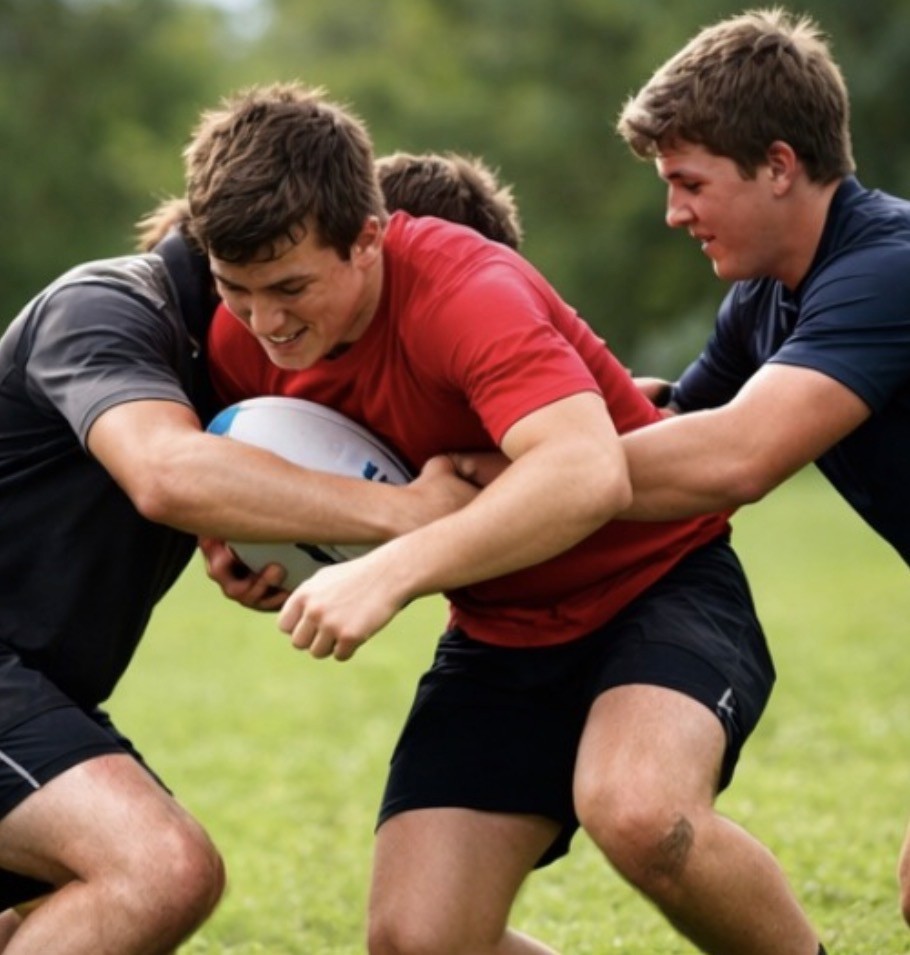
Supports performance in rugby, football, hockey, athletics, rowing (and everyday life.)
Injury Prevention
Stronger muscles, tendons, and ligaments reduce the risk of:
• ACL injuries
• Shoulder instability
• Ankle sprains
• Overuse injuries during growth spurts
• Concussion
For collision sports like rugby, this is particularly important.
Bone Health
Regular loading increases bone mineral density a huge protective factor for life.
Movement Quality
Training improves coordination, balance, speed and agility.
Mental Wellbeing
Young athletes often report:
• Increased confidence
• Better body awareness
• Reduced anxiety around physical performance
• A sense of achievement and competence
These psychological benefits are just as important as the physical ones.

⸻
3. What Age Should Teenagers Start Weight Training?
There is no specific age and it depends on readiness rather than numbers.
A good rule of thumb:
If a child can follow instructions, focus, and work safely, they can begin resistance training (even as young as age 10)
In early stages this looks like:
• Bodyweight movements
• Light resistance bands
• Fun technique-based drills
• Learning how to squat, hinge, push, pull, and move well
From around 11–14 years old, as puberty progresses, training can gradually become more structured, adding:
• Dumbbells
• Medicine balls
• Light barbells
• Basic gym programmes
For an U16 athletes, a structured programme is entirely appropriate and often transformative for performance and injury prevention.
4. What Are the Risks?
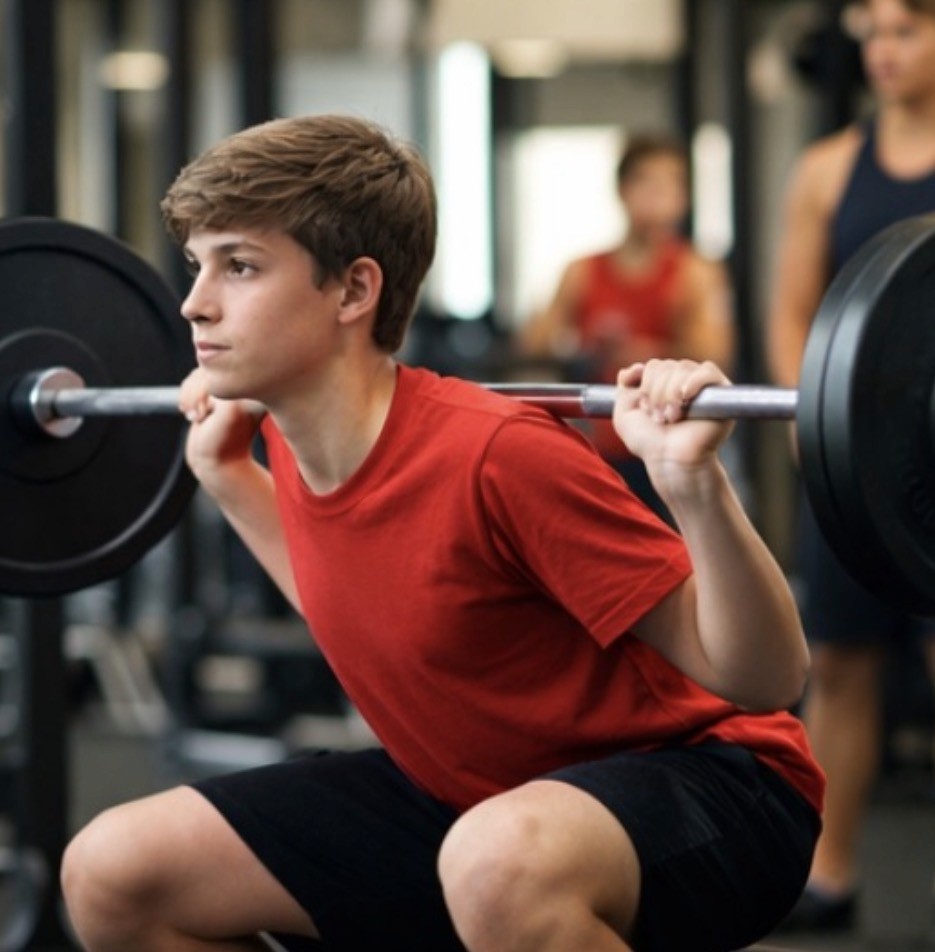
Like any physical activity, resistance training will have some risks but they are far lower than from the traditional contact sports.
The biggest risks arise when:
• Technique is poor
• Loads are too heavy
• Training is unsupervised
• Progression is too fast
• Social media trends encourage unsafe challenges
Qualified supervision, good coaching, and sensible progression reduce risk dramatically.
⸻
5. Practical Advice for Parents & Teen Athletes
Do:
✔ Focus on movement technique first
✔ Start light and progress gradually
✔ Prioritise quality over quantity
✔ Train 2–3 times per week
✔ Include rest, sleep, and recovery
✔ Use a balanced programme (push, pull, legs, core)
✔ Make it fun and confidence-building
Don’t:
✘ Lift maximal weights with poor technique
✘ “Copy” advanced adults on Instagram
✘ Train through pain
✘ Skip warm-ups
✘ Train every day without rest
✘ Compare themselves to others - every teen develops at their own pace
⸻
6. Why Resistance Training Matters More Than Ever for Teenagers
Today’s teenagers spend more time sitting, at school, on devices, in cars than any previous generation of . At the same time, sports particularly rugby are becoming more physically demanding and competitive.
This creates a gap between:
• What young bodies are expected to do
• What they are physically prepared for
Resistance training is one of the safest and most effective ways to bridge that gap.
For young players , it builds:
• Confidence in contact
• Strength for tackling and carrying
• Speed and agility
• Robustness through growth spurts
It is one of the single biggest protective factors against avoidable injuries.
⸻
Final Thoughts
Weight training, when properly supervised and age-appropriate, is:
• Safe
• Evidence-based
• Highly beneficial
• A major tool for injury prevention
• Fantastic preparation for the physical demands of teenage sport

Parents can feel reassured that encouraging their teenagers to strength train is not only not harmful but it is one of the best investments in their long-term health, wellbeing, and performance.