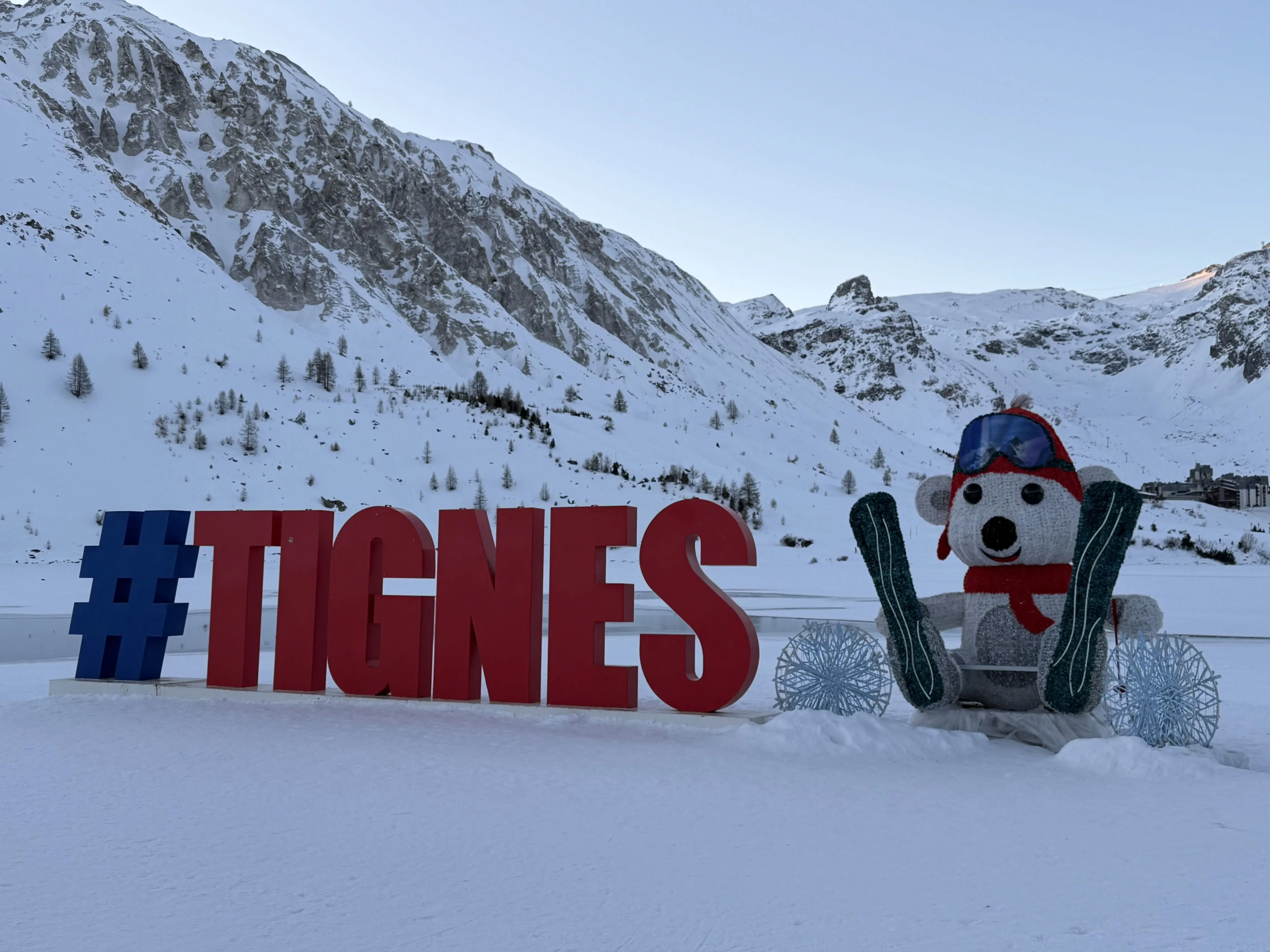
Skiing as a family in Tignes — great snow, tired legs, and a reminder of how demanding skiing can be on the knees.
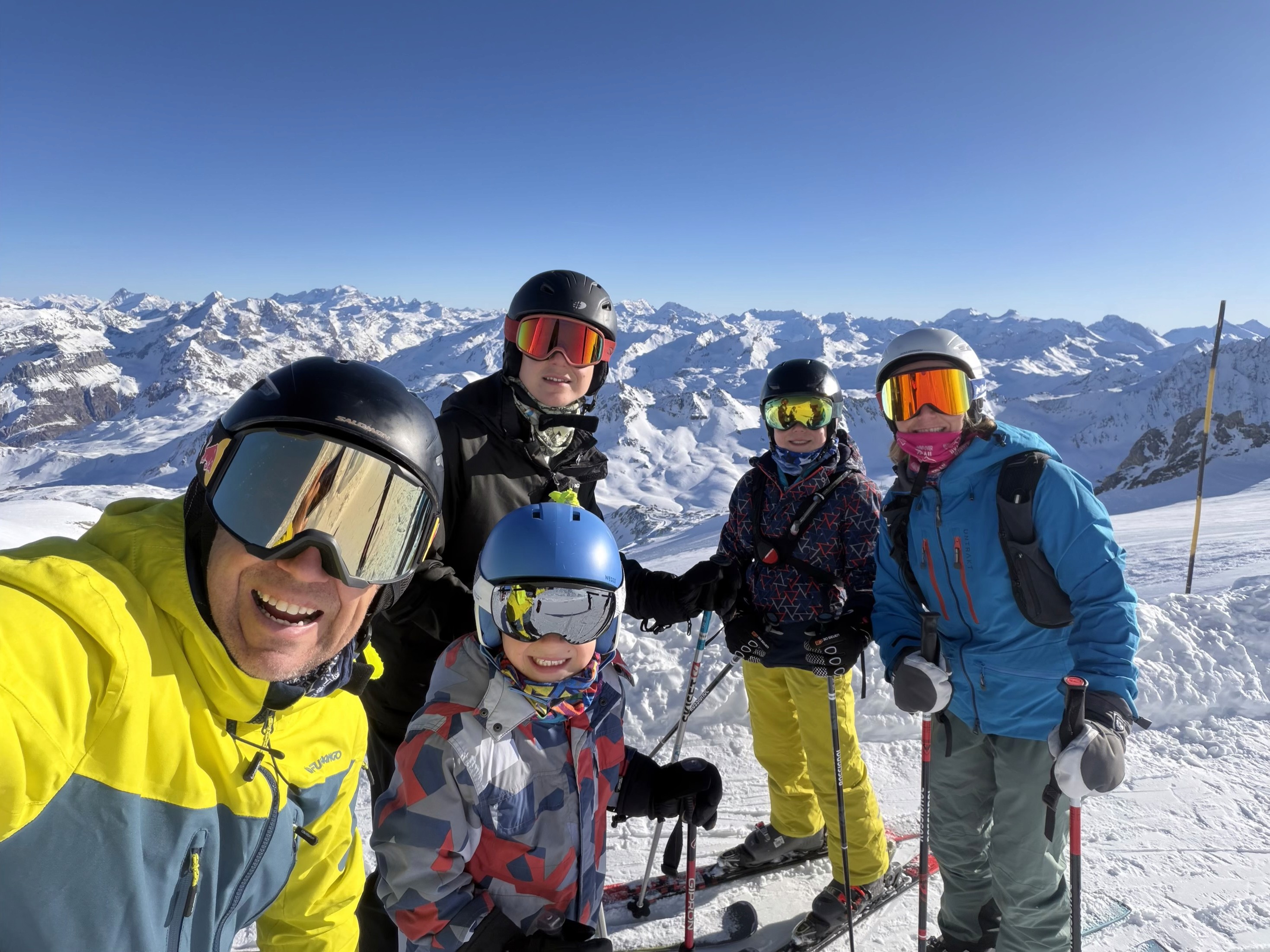
We’ve just returned from another brilliant family ski trip to Tignes, with blue skies, superb snow and that familiar mix of confidence boosting progress and pleasantly aching legs. Watching my boys ski day after day reinforced something I see regularly in clinic: skiing is fantastic for fitness and wellbeing, but it places very real demands on the knees, especially when fatigue creeps in.
This year’s takeaway was slightly different from previous trips. It’s not just about getting ski fit, it’s about skiing in a way that protects your knees for years to come.
Why Are Knees So Vulnerable When Skiing?
Skiing places unique stresses on the knee. Twisting and rotational forces, sudden changes in direction, uneven and unpredictable terrain, and long days on the slopes all contribute to increased load through the joint. It is no surprise that knee injuries, particularly ligament and cartilage injuries are the most common significant injuries seen in skiing.
Modern skiing places significant rotational forces through the knee particularly when fatigue sets in late in the day.

Think “Ski-Strong”, Not Just “Ski-Fit”
Cardiovascular fitness helps, but knee protection comes primarily from strength, balance and control. Single leg strength work, strong glutes and hamstrings, and good balance all play an important role in reducing injury risk.
These don’t require a gym or specialist equipment, just ten focused minutes at home, a few times a week, can make a meaningful difference. 3- Strong, well conditioned legs and good balance play a major role in protecting the knee on the slopes.
Warming Up: Small Habit, Big Payoff
One of the most common mistakes I see is cold muscles on the first run of the day. A short dynamic warm up prepares muscles and joints for the demands of skiing and improves control from the outset. Likewise, a short stretch at the end of the day helps reduce stiffness and improves recovery for the following morning.
Equipment Matters More Than You Think
Poorly set up boots and skis is an underrecognised contributor to knee injuries. Bindings should be professionally adjusted for height, weight and ability, and boots must fit properly. In some cases particularly following previous knee issues, supportive knee brace may be helpful. Fatigue Is the Real Enemy Most ski injuries do not occur early in the day. They tend to happen late in the afternoon, after ‘just one more run’, when technique has quietly deteriorated. As a family, we try to follow one simple rule: stop while you’re still skiing well.
Family Skiing: A Knee Smart Approach
For children and teenagers, shorter ski days, regular breaks and good coaching are key. For adults, respecting fatigue, skiing within technical limits and avoiding overly challenging terrain plays an equally important role.
Skiing as a family means matching terrain and pace to energy levels especially for younger skiers.
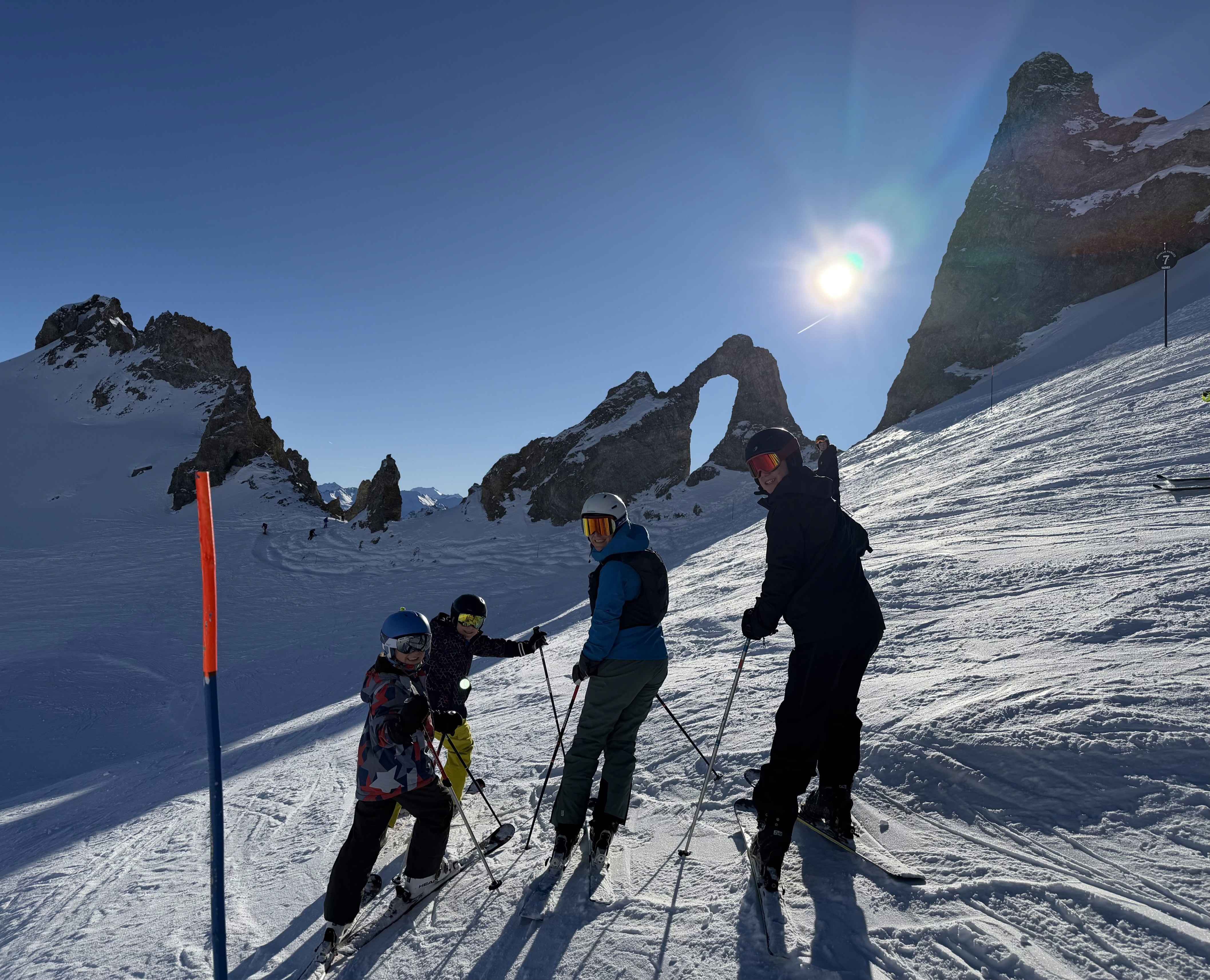
The mountains are demanding respecting fatigue and conditions is part of skiing safely.
Final Thought: Ski for the Long Game
Skiing should be exhilarating, but also sustainable. Build strength, warm up properly, respect fatigue and ski with intention. Do that, and you give yourself the best chance of enjoying the mountains not just this season, but for many winters to come.
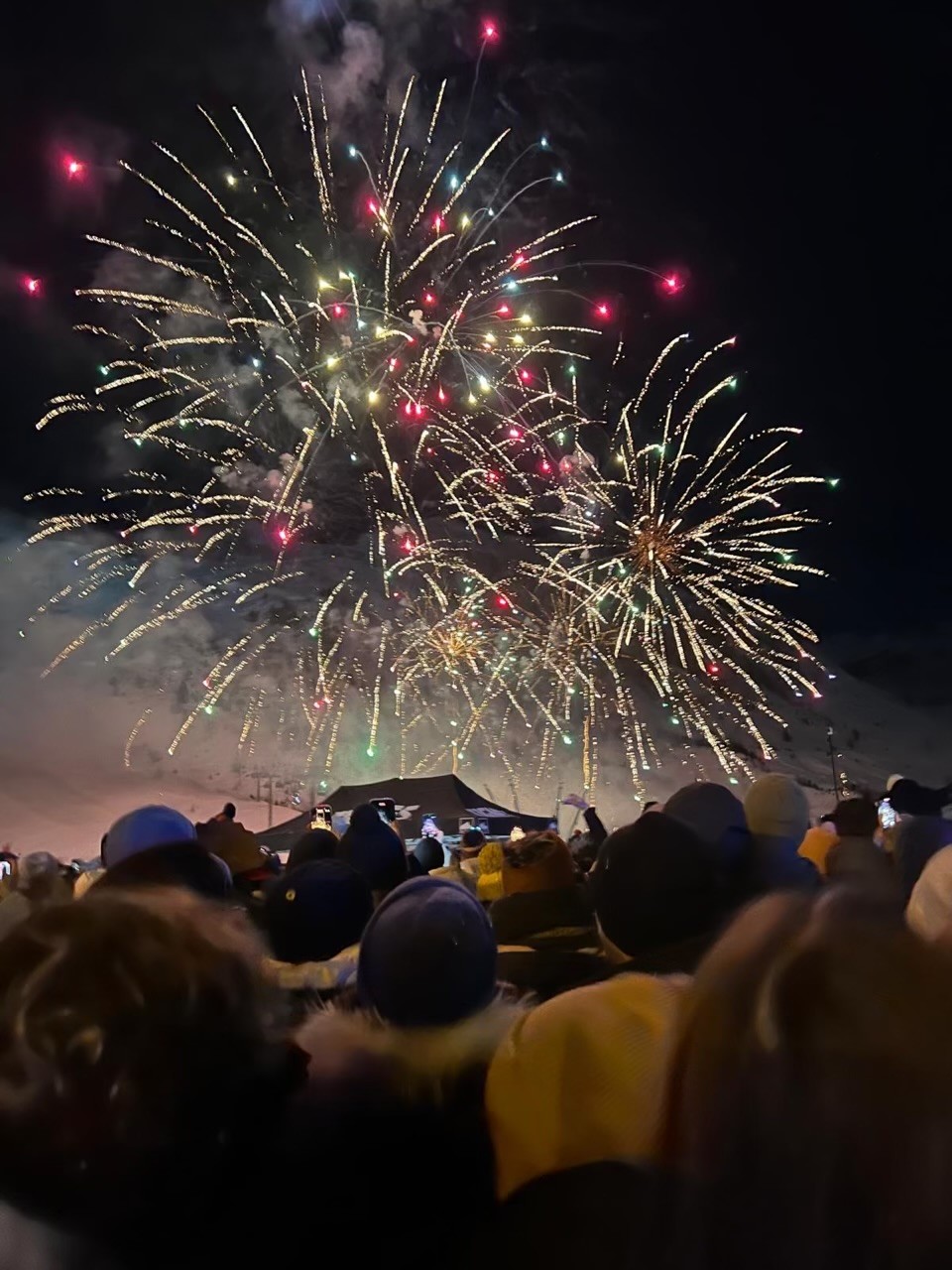
NYE fireworks