A parent's guide to concussion and "If in doubt, sit them out"
If you are reading this from the touchline, or in the car on the way home after your child has taken a knock, the first thing to know is that most people who sustain a concussion recover fully.

But what happens next matters.
And perhaps the single most important piece of advice is also the easiest to remember:
If in doubt, sit them out.
It is the central message of the UK Concussion Guidelines for Non-Elite (Grassroots) Sport, designed specifically for the sort of sport most of our children actually play: school rugby, club football, hockey, cricket and countless other activities where there usually isn't a doctor standing beside the pitch.
I am an orthopaedic surgeon rather than a neurologist, but I am also a parent and spend a lot of my time around children's grassroots sport.
That is one reason I really like these guidelines.
You don't have to be able to diagnose concussion from a muddy touchline.
You simply have to recognise that it might have happened and make the safe decision.
What does "If in doubt, sit them out" actually mean?
The UK-wide grassroots concussion guidelines were first introduced in 2023 and updated in November 2024.
They apply across sports and throughout the UK, from primary-school age upwards.
The whole approach can be boiled down to three words:
RECOGNISE: Recognise the possibility of concussion.
REMOVE: Remove anyone with suspected concussion from play immediately.
RETURN: Return them gradually to normal life, education and eventually sport.
The key word there is suspected.
You do not need to prove that your child has concussion.
If you're wondering whether they might have one, that's enough to take them off.
What actually is concussion?
Concussion is a brain injury which temporarily changes how the brain functions.
It can affect the way a child thinks, feels, remembers things, balances, concentrates and sleeps.
And there are two important misconceptions worth getting rid of straight away.
They do not have to be knocked unconscious
Fewer than one in ten concussions involve loss of consciousness.
Most children with concussion remain awake. They may get straight back to their feet and may even tell you they feel absolutely fine.
It does not have to involve a direct blow to the head
A heavy tackle, collision or fall can rapidly move the head and brain even if the original contact was elsewhere on the body.
That can still cause concussion.
How do I spot concussion from the touchline?
Sometimes it is obvious.
Sometimes it really isn't.
Things you might see
Lying still or being unusually slow to get up
Looking dazed, blank or vacant
Being unsteady, stumbling or losing balance
Poor coordination
Slow answers to questions
Appearing confused about what has happened
Clutching their head
Vomiting
Becoming unusually emotional or irritable
A seizure or convulsion
Lying unusually rigid after the impact
Loss of consciousness
Things your child might tell you
"I've got a headache."
"I feel dizzy."
"I feel sick."
"Everything feels foggy."
"I feel slowed down."
"My vision is blurry."
"The light is bothering me."
"Everything sounds too loud."
"I feel really tired."
"I just don't feel right."
That last one is important.
Children do not always describe symptoms in medical language.
If your child seems different after a collision, listen to them.
One concerning sign or symptom is enough to suspect concussion.
Symptoms can also appear later, during the first 24 to 48 hours after the injury.
What should happen on the day?
If concussion is suspected:
They come off.
And they stay off.
They do not go back on later in the match, even if they feel completely fine after ten minutes.
There should be no:
"Let's give him ten minutes and see how he feels."
No:
"She remembers the score so she must be okay."
And no:
"Have a little jog up and down the touchline and see whether the headache has gone."
Anyone with suspected concussion should be removed from play immediately and should not return to competition, training or PE within 24 hours.
They should also be assessed by an appropriate healthcare professional, or advice should be obtained through NHS 111 within 24 hours.
Why is "sit them out" so important?
This is probably the most important part of this article.
Your child gets up after a tackle.
They look okay.
Ten minutes later their headache has gone and they're telling you they're absolutely fine.
It can be incredibly tempting to let them go back on.
Don't.
A concussed brain is still recovering even when a child looks surprisingly normal.
Concussion can affect reaction time, balance, concentration, coordination and judgement.
That matters in sport because those are exactly the things a player relies upon to protect themselves from the next tackle, fall or collision.
Continuing to play following a concussion is associated with a longer recovery.
And then there is the concern about a second hit before the brain has recovered from the first.
Playing on with concussion symptoms can make those symptoms worse and significantly delay recovery. If another head injury occurs during this vulnerable period, the subsequent injury can potentially be more serious.
Children and adolescents are treated particularly cautiously because their brains are still developing and they can take longer to recover than adults.
What is second impact syndrome?
You may have heard the phrase second impact syndrome.
It describes an exceptionally rare situation where someone who has not recovered from an initial concussion sustains another head injury and subsequently develops catastrophic swelling of the brain.
It is important to keep this in perspective.
This is very rare, and parents do not need to leave the touchline believing that every second knock will cause a catastrophe.
But the underlying principle is important:
A recovering brain should not be unnecessarily exposed to another head injury.
And we don't actually need the rare worst-case scenario to justify taking a child off.
A potentially concussed child may not be functioning normally.
They may be more vulnerable to another injury.
And continuing to play can prolong their recovery.
That's enough.
Missing the rest of one match is disappointing. Taking another significant hit before the brain has recovered is a risk we simply don't need to take.
If in doubt, sit them out.
What should I do during the first 24 hours?
A responsible adult should stay with your child and monitor them.
They should:
Rest and sleep as much as they need
Avoid sport, PE and strenuous exercise
Keep phone, tablet, computer and gaming use to a minimum
Do only gentle everyday activities
Have short walks if comfortable
Drink and eat normally if they feel able
Be monitored for any worsening symptoms
The UK guidance recommends minimising screens for at least the first 48 hours.
Activities can initially be kept to relatively short periods, around 10 to 15 minutes, particularly if concentration makes symptoms worse.
For older teenagers, they should also avoid driving, cycling and alcohol for at least the first 24 hours.
And tell other people who need to know.
If your child plays football on Saturday and rugby on Sunday, the rugby coach needs to know what happened on Saturday.
The same applies to school.
Can my child sleep after concussion?
Yes.
This is another old myth worth getting rid of.
You do not routinely need to keep a child awake all night after a minor head injury.
Sleep and rest are important for recovery.
What matters is that a responsible adult remains with them during the first 24 hours and watches for deterioration.
If your child is becoming increasingly drowsy, difficult to wake or less responsive, that is different and requires urgent medical help.
When should I actually worry?
Most children with concussion recover fully.
The reason we take head injuries seriously is that occasionally a more significant injury can initially look similar.
The UK concussion guidance describes a number of red flags requiring urgent medical assessment.
These include:
Any loss of consciousness following the injury
Becoming increasingly drowsy or less conscious
Memory loss around the injury
Increasing confusion or irritability
Unusual behaviour
Difficulty understanding, speaking, reading or writing
New numbness or weakness
Significant loss of balance
Double vision
A seizure, convulsion or unusual rigid posture
Severe or worsening headache
Repeated vomiting
Severe neck pain
Concern about a possible skull fracture
A previous history of brain surgery or a bleeding disorder
Taking blood-thinning medication
If these occur, your child needs urgent medical assessment, with emergency ambulance transfer by calling 111 where necessary.
And there is another rule I think is important for parents:
If something about your child simply doesn't seem right, seek medical advice.
A checklist should never override a genuine concern that your child is deteriorating.
Does my child need a brain scan?
Usually, concussion itself is diagnosed from the history, symptoms and clinical assessment rather than from a routine brain scan.
A CT or MRI scan may be required when doctors are concerned about a more significant structural injury, such as bleeding inside the skull.
So a child can absolutely have a concussion without needing a scan.
Equally, a normal scan does not mean that concussion symptoms are imaginary.
What should happen during the first 24 to 48 hours?
The phrase to remember is:
Relative rest.
Not complete rest.
We used to be much more inclined to tell people with concussion to do practically nothing.
That has changed.
During the first day or two, children should take things gently, but they do not need to lie in a dark room doing absolutely nothing.
They can:
walk around the house
eat with the family
read for short periods
go for a gentle walk
do simple everyday activities
provided these do not make their symptoms significantly worse.
After those first 24 to 48 hours, gentle physical and mental activity can gradually increase.
That distinction is important.
Getting moving again is encouraged. Returning to activities where another head impact could occur is not.
What about screens?
For the first 48 hours, minimise smartphones, gaming, tablets and computer use.
That doesn't necessarily mean confiscating every screen and sitting your child in silence.
It means avoiding prolonged periods of gaming, scrolling or concentrating on a screen if this aggravates their symptoms.
After that, screen use can gradually increase as tolerated.
When can my child go back to school?
School comes before sport.
This is one of the central principles of the UK guidance.
Concussion can affect concentration, memory and mental stamina.
Initially your child may manage ten minutes of homework perfectly well but develop a headache after half an hour.
That is useful information.
Build things up gradually.
Temporary adjustments at school might include:
shorter periods of work
extra breaks
reduced homework
half days
avoiding tests temporarily
reduced screen use
somewhere quiet to rest if symptoms increase
Children do not have to remain completely symptom-free before beginning a gradual return to education.
The aim is to increase activity without causing more than a mild, temporary worsening of symptoms.
And eventually:
normal education comes before unrestricted sport.
When can my child exercise again?
After the first 24 to 48 hours of relative rest, gentle exercise can be reintroduced.
This may initially mean:
walking
an easy exercise bike
gentle everyday activity
Exercise can gradually increase as long as symptoms are not significantly aggravated.
A mild and short-lived increase in symptoms can occur during the early stages and does not necessarily mean that recovery has been harmed.
If symptoms increase more substantially, stop, allow them to settle and return to a lower level.
What remains off limits is anything carrying a predictable risk of another head impact until later in the recovery process.
When can my child play sport again?
This is probably the question every sporty child wants answered.
And the important thing to understand is:
Returning to sport is a process, not just a date.
The UK guidelines call this the Graduated Return to Activity and Sport, or GRAS.
Stage 1: Relative rest
First 24 to 48 hours
Rest and sleep as required
Minimise screens
Easy everyday activities
Short gentle walks if comfortable
No sport or strenuous exercise
Stage 2: Gradually return to everyday activity
After the initial 24 to 48 hours:
Increase normal activities around the house
Gradually increase reading and limited screen use
Begin light physical activity
Start small amounts of schoolwork at home
Mild symptoms can occur.
If symptoms worsen more than mildly, briefly rest and step things back.
Stage 3: Increase thinking and exercise
Build up:
homework or reading in longer blocks
school-related work
walking
stationary bike
progressively harder exercise
Schoolwork may initially be broken into 20 to 30 minute periods with breaks.
Stage 4: Return towards school and non-contact training
Once your child is symptom-free at rest and has successfully completed the earlier stages:
gradually return to school
increase exercise intensity
begin sport-specific training
But there must be no predictable risk of head impact.
This is the non-contact phase.
Stage 5: Full school and unrestricted training
This is where the timings become particularly important.
Before returning to training where another head impact may realistically occur, your child must have been:
symptom-free at rest for at least 14 days.
Stage 5 therefore cannot begin before Day 15 at the earliest.
At this stage:
school should be back towards normal
full training can gradually resume
activities carrying a risk of head contact can be reintroduced
If concussion symptoms return following a head impact during training, they come out again.
Stage 6: Return to matches and competition
Return to competition should be:
NO EARLIER THAN DAY 21.
And only if:
the previous stages have been completed
there have been at least 14 days without concussion symptoms at rest
your child remains symptom-free during full pre-competition training
The day of the original concussion is Day 0.
Day 21 is the earliest possible return, not a target that everyone has to hit.
Some children will need longer.
That is absolutely fine.
Can you give me an example?
Imagine your son is concussed playing rugby on a Saturday.
Saturday = Day 0.
His headache and other symptoms completely settle by Tuesday, which is Day 3.
He can gradually increase schoolwork and exercise and, once symptom-free at rest, begin appropriate non-contact training.
But training involving a predictable risk of another head impact still has to wait until he has been free of symptoms at rest for 14 days.
In that example, that would be around Day 17.
And regardless of how good he feels:
he cannot return to a competitive match before Day 21.
He also needs to have successfully completed full training without symptoms first.
"But they're completely fine after three days…"
This is often the difficult bit.
Your child feels normal.
They're bouncing around the house.
They've been back at school.
There's an important match at the weekend.
And they genuinely cannot understand why you're stopping them from playing.
The answer is that feeling better is only one part of recovery.
The graduated programme lets us challenge the brain progressively:
normal life,
then schoolwork,
then exercise,
then non-contact training,
then full training,
and finally competition.
It also reduces the chance of exposing a recovering brain to another unnecessary head injury.
The cup final feels incredibly important on Friday evening.
Protecting your child's brain matters rather more.
Do we need a doctor to clear them before they play?
Under the UK grassroots guidance, someone who is recovering normally does not routinely need a separate doctor's appointment to approve each stage of the graduated return programme.
However:
the original suspected concussion should be assessed by an appropriate healthcare professional or via NHS 111 within 24 hours
individual clubs, schools or governing bodies may have additional requirements
worsening or prolonged symptoms should prompt further medical advice
Always check the rules of the particular sport your child plays.
What if they're not getting better?
Recovery varies from person to person.
If symptoms are getting worse or have not started to improve by 14 days, seek further advice through NHS 111.
If concussion symptoms persist beyond 28 days, your child should remain out of sport and be assessed by their GP, who may arrange further specialist assessment if required.
Children and teenagers sometimes take longer to recover than adults.
Taking longer does not mean they will not recover.
It means the return needs to be managed individually rather than rushed.
Why honesty matters
This part matters enormously in children's sport.
Young athletes sometimes hide concussion symptoms.
They don't want to come off.
They don't want to miss next week's match.
They don't want to let their teammates down.
And occasionally they know exactly what to say because they realise that admitting to a headache means their game is over.
That is why the culture around concussion matters.
Children need to know that saying:
"I don't feel right."
isn't weakness.
It is exactly the right thing to do.
Delaying or under-reporting concussion symptoms is associated with a longer recovery and risks returning before the brain has recovered properly.
We should also encourage children to look after their teammates.
If your child thinks a friend looks dazed or isn't behaving normally after a collision, telling the coach is being a good teammate, not a grass.
A few concussion myths
"They weren't knocked out, so it can't be concussion."
Wrong.
Most concussions occur without loss of consciousness.
"They remember the score, so they're okay."
Not necessarily.
There is no single question that a parent or grassroots coach can use to rule concussion out.
If something is not right after a head impact, take them off.
"They felt better after ten minutes, so they can go back on."
No.
A child with suspected concussion should not return during the same game or training session, even if the symptoms apparently disappear.
"They need to stay awake all night."
No.
Sleep is good for recovery.
They should, however, have a responsible adult with them during the first 24 hours and be monitored for deterioration.
"They should do absolutely nothing until every symptom has gone."
No.
After an initial 24 to 48 hours of relative rest, a gradual return to normal mental and physical activity is encouraged.
"Their headache is gone, so they can play this weekend."
Not necessarily.
Head-impact training requires 14 symptom-free days at rest, and competition should not occur before Day 21.
Does concussion mean my child should stop playing contact sport?
For the overwhelming majority of children:
No.
Sport has enormous physical, psychological and social benefits for children.
I don't think the answer to concussion is to frighten families away from football, rugby, hockey or other sports.
The answer is to recognise concussion and manage it properly when it happens.
What should disappear is the old-fashioned culture of:
"He's just had his bell rung."
or:
"She's tough. Let her play on."
Removing a child with suspected concussion isn't being soft.
It is sensible injury management.
The bit I would like every parent to remember
You do not need to diagnose concussion from the touchline.
Remember three things:
RECOGNISE: Something isn't right and concussion might have happened.
REMOVE: Take them out of the game. Don't send them back on.
RETURN: Bring them gradually back to everyday life, school, training and finally competition.
And above all:
If in doubt, sit them out.
If it turns out not to have been a concussion, very little has been lost.
If it was a concussion, taking them off was exactly the right thing to do.
There will always be another match.
Quick parent checklist
Possible concussion?
Take them off. No return to that game or training session.
Watch them carefully. Know the red flags and seek urgent help if they deteriorate.
Get advice. Healthcare assessment or NHS 111 within 24 hours.
Relative rest for 24 to 48 hours. Sleep, gentle activity and minimal screens.
Tell school and every sports club.
School before sport.
No head-impact training until 14 days symptom-free at rest.
No competition before Day 21.
Frequently asked questions
Can a child have concussion without being knocked out?
Yes. Most concussions occur without loss of consciousness. A child may remain awake, get straight back up and still have sustained a concussion.
Can my child sleep after concussion?
Yes. Sleep is helpful for recovery. A responsible adult should remain with them during the first 24 hours and seek urgent help if they become increasingly drowsy, difficult to wake or otherwise deteriorate.
Can they return to the game if they feel better?
No. A player with suspected concussion should not return to the same match or training session even if their symptoms appear to resolve.
When should I call NHS 111 after a suspected concussion?
The UK grassroots guidance recommends that anyone with suspected concussion is assessed by an appropriate healthcare professional or accesses NHS 111 within 24 hours. Seek urgent medical assessment sooner if red flags are present.
When can my child return to contact training?
Training involving a predictable risk of head impact should only begin after at least 14 days without concussion symptoms at rest and cannot begin before Day 15 at the earliest.
When can my child play a match after concussion?
Under the UK grassroots guidance, return to competition should not occur before Day 21, and only after the earlier stages have been completed successfully.
What is second impact syndrome?
Second impact syndrome describes a very rare but potentially catastrophic neurological complication following another head injury before recovery from a previous concussion. The much broader reason to prevent a second hit is that continuing to play can worsen symptoms, prolong recovery and expose a player whose reactions, balance or judgement may be impaired to further injury.
About the author
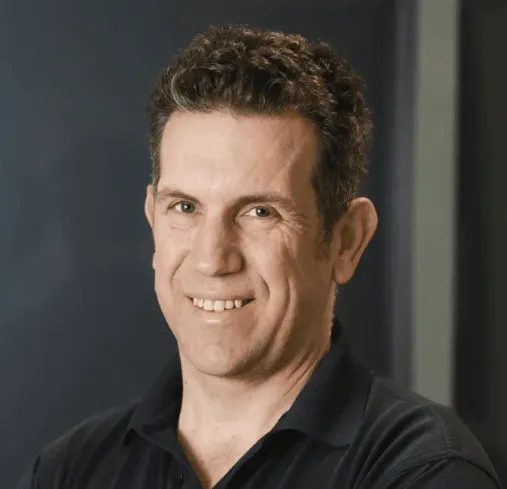
Mr Nev Davies is a Consultant Trauma & Orthopaedic Surgeon with a specialist interest in paediatric orthopaedics and sports-related knee injuries.
As well as treating children and young athletes in clinical practice, he spends plenty of time around grassroots sport as a parent and coach.
This article summarises the UK Concussion Guidelines for Non-Elite (Grassroots) Sport for parents. Concussion and head injuries may require assessment by an appropriately trained healthcare professional.
Worried about another sports injury?
Concussion and head injuries should be assessed through the appropriate NHS or emergency pathway as described above.
For ongoing bone, joint or growth-related problems, including knee pain, sports injuries, Osgood-Schlatter disease, Sever's disease or a child who is limping, I am happy to help.